
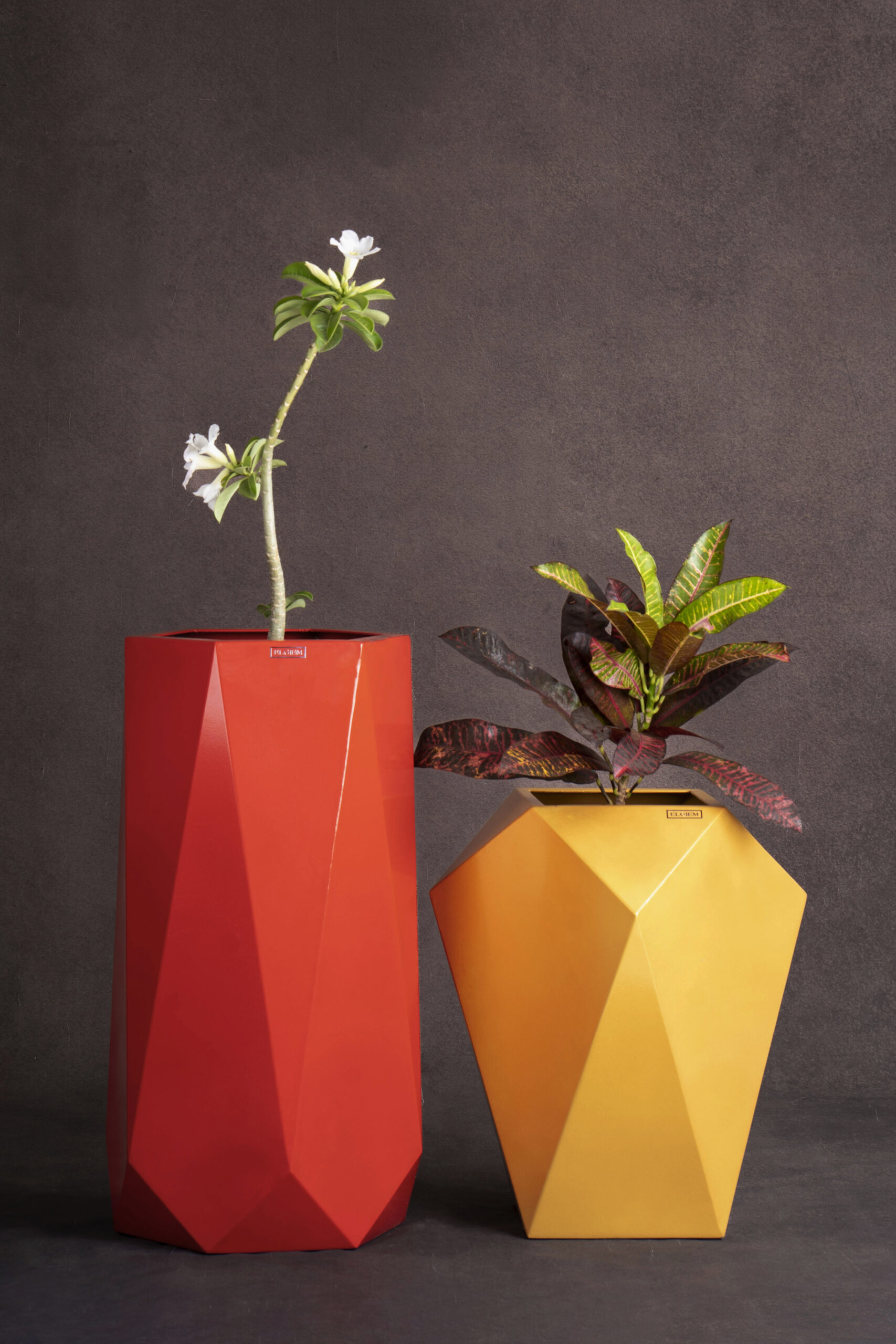
Sculpting Spaces: The Role of Metal Planters in Contemporary Architecture and Interiors
In contemporary design, spaces are no longer just built—they are sculpted. Every element is carefully chosen to contribute to a cohesive visual and emotional experience. Among these elements, metal planters have emerged as powerful tools in shaping modern architecture and interiors.
More than functional objects, they act as design anchors, bridging the gap between structure and nature, precision and softness. With their clean geometry and refined materiality, metal planters are redefining how spaces are perceived and experienced.
The Evolution of Planters in Modern Design
Traditionally, planters were purely utilitarian—simple containers meant to hold plants. Today, they have evolved into architectural elements that contribute to spatial composition.
In contemporary settings, planters are used to:
- Define zones within open layouts
- Guide movement through a space
- Create focal points and visual balance
This shift reflects a broader design philosophy where every object carries intention and meaning.
Metal as a Medium of Modern Expression
Material plays a crucial role in shaping design identity. Metal, particularly high-grade stainless steel, has become a preferred choice for architects and designers.
Why Metal Planters Stand Out:
- Architectural Precision
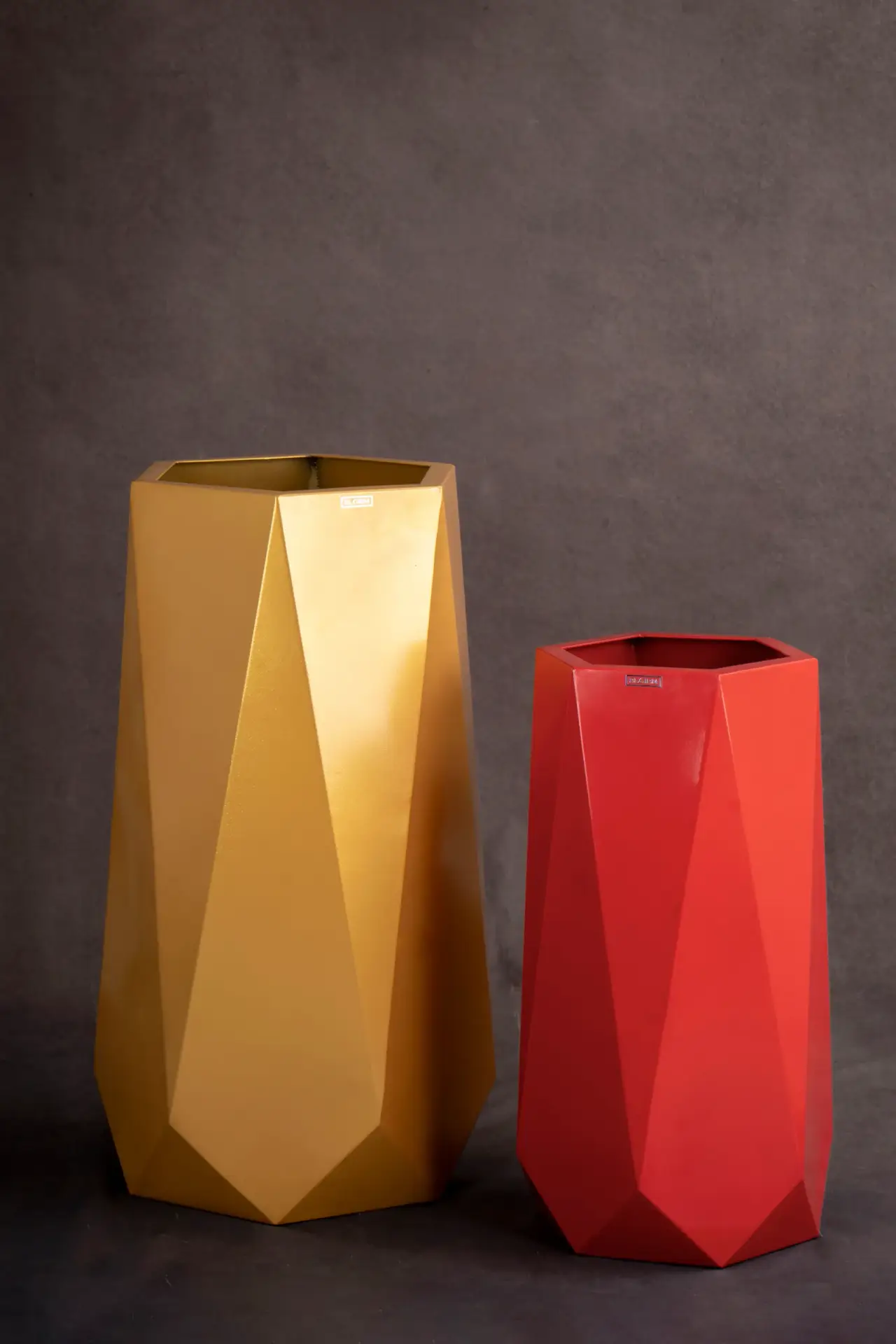
Metal allows for sharp lines, clean edges, and geometric perfection—key elements in modern design. - Structural Strength
It supports bold and sculptural forms while maintaining durability and stability. - Timeless Aesthetic
Its sleek, understated finish complements minimalist, industrial, and luxury interiors. - Indoor & Outdoor Versatility
Resistant to corrosion and environmental conditions, metal planters transition seamlessly between spaces.
This combination makes metal not just a material—but a design language.
Defining Spaces Through Form and Placement
One of the most impactful roles of metal planters is their ability to shape spatial experience.
Zoning Open Spaces
In open-plan interiors, planters can subtly divide areas without the need for walls—creating flow while maintaining separation.
Creating Visual Hierarchy
Larger sculptural planters act as focal points, drawing attention and anchoring the design.
Enhancing Circulation
Strategic placement guides movement naturally, especially in commercial and retail environments.
Framing Architectural Features
Planters can highlight entryways, staircases, or key design elements, enhancing the overall composition.
Through thoughtful placement, they become tools for sculpting space itself.
The Harmony of Geometry and Nature
At the core of metal planter design lies a beautiful contrast:
- Structured, geometric forms
- Organic, ever-changing greenery
This interplay creates a dynamic balance. The rigidity of metal provides structure, while plants introduce softness and life.
Whether it’s:
- A tall, linear planter with a vertical plant
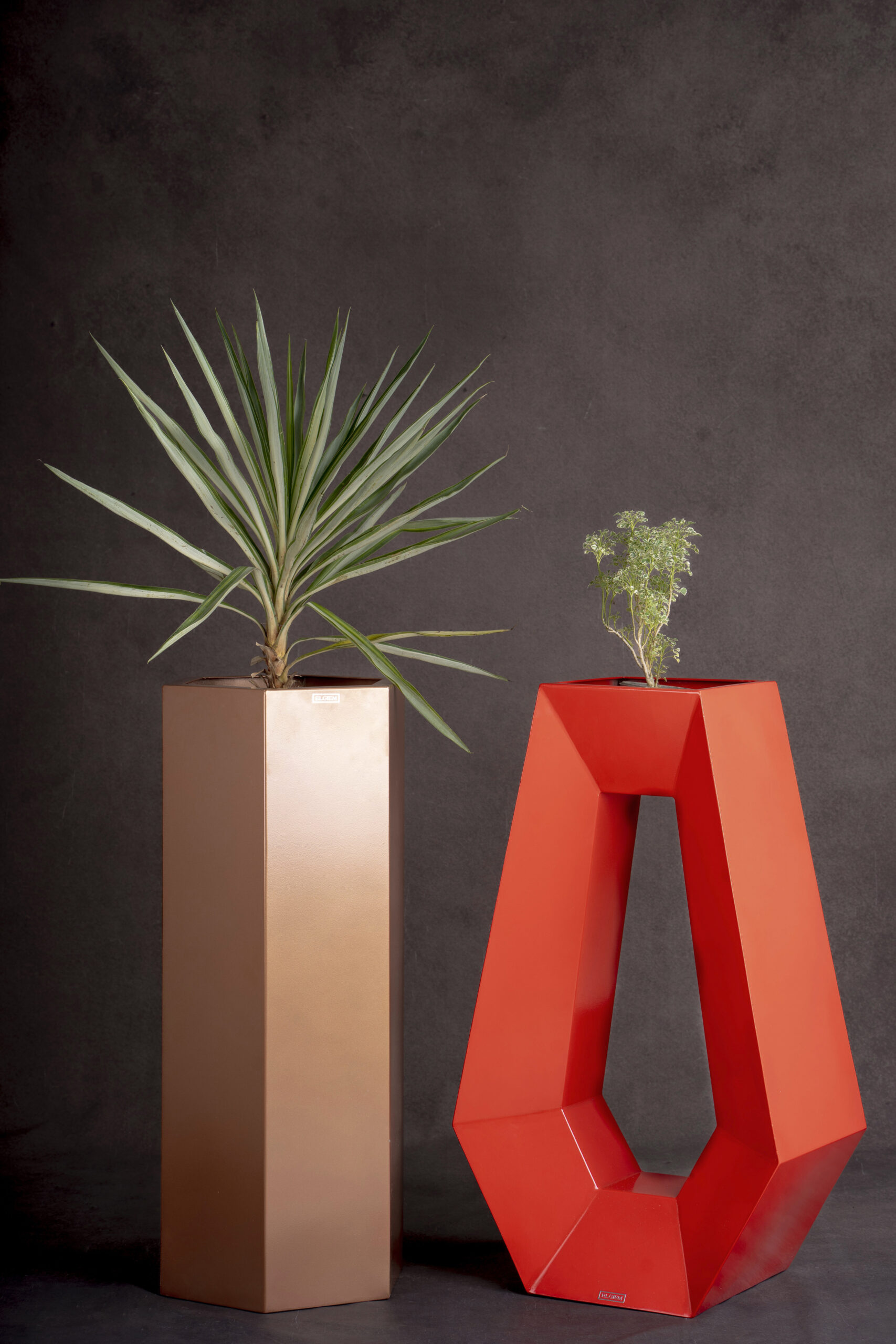
- A cluster of geometric forms with varied foliage
- A single statement piece in a minimal setting
the result is always a space that feels both refined and alive.
Elevating Interior Design with Metal Planters
Inside modern homes and commercial spaces, metal planters add depth and sophistication.
Living Areas
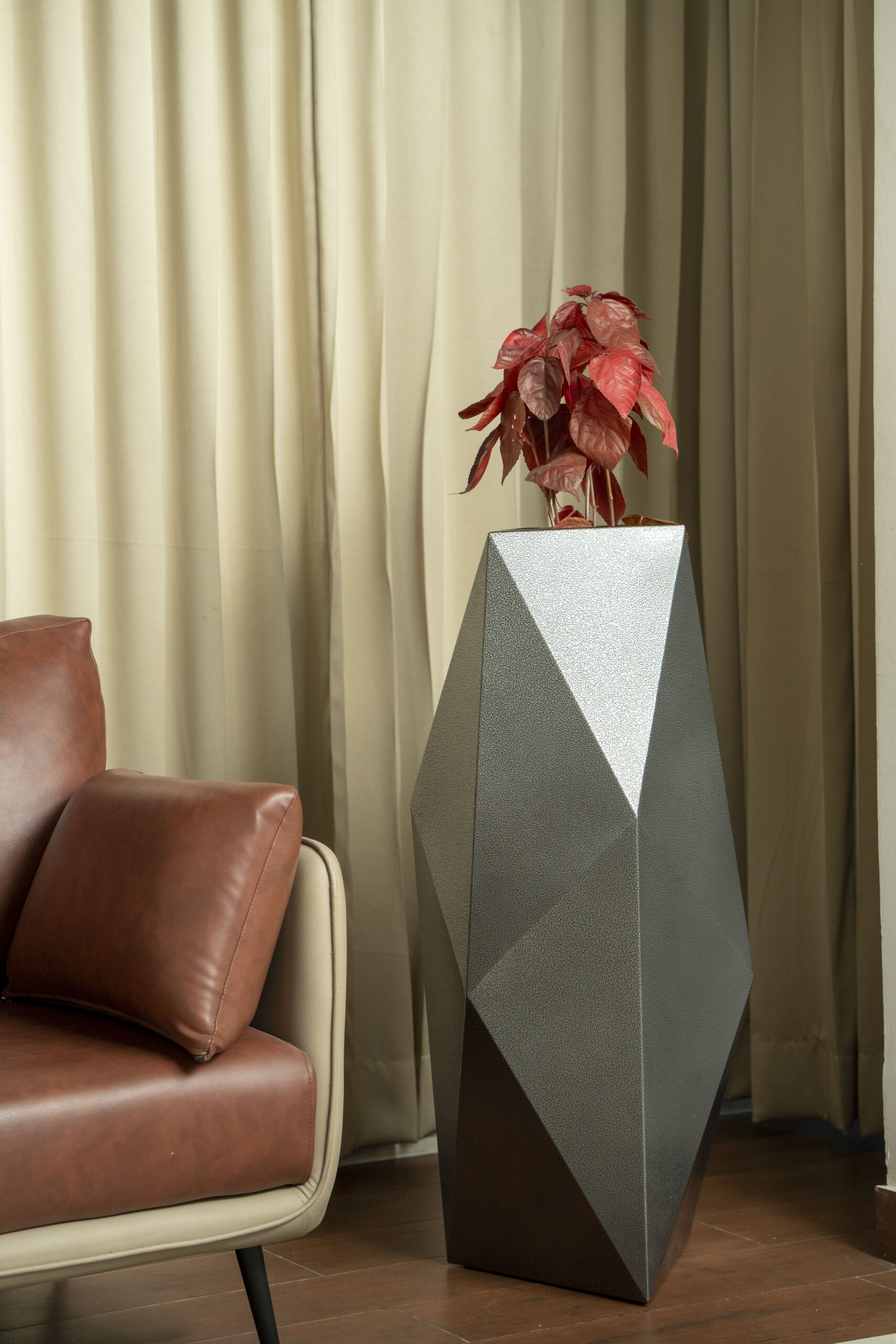
Introduce sculptural planters to create focal points that enhance minimal interiors.
Workspaces
Incorporate greenery in a structured way that promotes calm and productivity.
Retail & Hospitality
Use planters to elevate brand identity, creating visually engaging environments.
Their reflective surfaces also interact with lighting, adding subtle dimension and enhancing the overall ambiance.
Transforming Outdoor Environments
In exterior design, metal planters bring order to open landscapes.
They are ideal for:
- Balconies and terraces
- Garden pathways and patios
- Poolside and outdoor lounges
Their durability ensures they withstand environmental conditions while maintaining their visual appeal, making them a long-term design investment.
Craftsmanship Behind the Form
The simplicity of metal planters often conceals the complexity of their creation.
Each piece is:
- Precisely engineered
- Carefully shaped and assembled
- Finished with advanced coating techniques
This process ensures not only visual perfection but also longevity. Skilled artisans play a crucial role, refining every detail to achieve a balance between strength and elegance.
True design excellence lies in this craftsmanship—the unseen effort that defines the final form.
A Reflection of Contemporary Design Values
Metal planters align with the core principles of modern architecture and interiors:
- Minimalism – Clean, uncluttered aesthetics
- Functionality – Design that serves purpose
- Material honesty – Celebrating the natural qualities of materials
- Sustainability – Long-lasting, durable solutions
They represent a move toward intentional design, where every element contributes to a meaningful whole.
More Than Objects: Tools for Spatial Storytelling
Metal planters are not just decorative additions—they are storytelling elements.
They:
- Shape how a space is experienced
- Influence mood and perception
- Reflect the identity of the environment
From a quiet residential corner to a dynamic commercial space, they bring a sense of cohesion, clarity, and character.
Conclusion
To sculpt a space is to design with purpose. Metal planters play a vital role in this process, offering a perfect balance of geometry, material, and nature.
They redefine contemporary architecture and interiors by transforming simple greenery into structured, intentional design elements.
In a world where design is increasingly about experience, metal planters stand as timeless tools—shaping spaces that are not only seen, but truly felt.
Add a review
Your email address will not be published. Required fields are marked *